April 20, 2026, 10:36 pm


Fuel price hike ‘modest’, unlikely to accelerate inflation: Muktadir
DAM Reporter ||
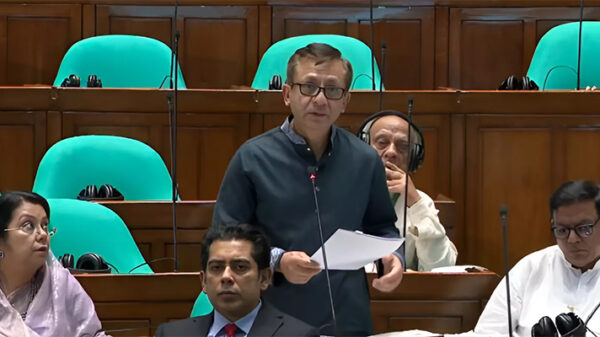
Commerce Minister Khandakar Abdul Muktadir on Monday told Parliament that the recent increase in fuel prices in Bangladesh – triggered by the global volatility due to tensions in the Middle East – is “modest” and is unlikely to significantly accelerate inflation.
Replying to a supplementary question from independent lawmaker Rumeen Farhana (Brahmanbaria-2), he said Bangladesh’s fuel price adjustment has been carefully managed and remains moderate compared to sharp increases in many countries.
“The hike in fuel prices in Bangladesh is modest amid the tension in the Middle East. It will not significantly drive inflation,” the minister said, arguing that the impact on overall inflation, particularly food inflation, remains limited as fuel accounts for a relatively small share of production costs.
Commodity prices, supply satisfactory, says Minister Muktadir
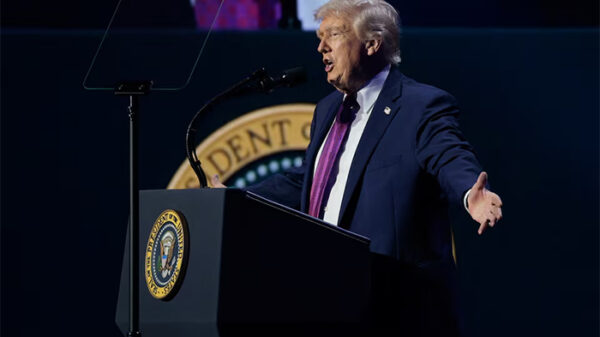
In many countries, including the United States, fuel prices have risen sharply – in some cases from around $2.70-$2.80 per gallon to over $5 – largely due to market-driven and tax-related adjustments, he said.
Muktadir stressed that in Bangladesh, fuel price adjustments are not fully automatic and are carefully managed by the government.
Giving an example, he said even after a price increase, the additional cost spread across 10,000 kilograms of cargo carried by a truck results in only a marginal rise in per-unit transportation cost. “So, while fuel price hikes may appear significant at first glance, their direct contribution to inflationary pressure is not as substantial as commonly perceived,” he said.
The minister further said the government remains cautious to ensure that economic fundamentals do not become imbalanced. “Bangladesh has followed a measured and moderate approach in adjusting fuel prices, in line with global trends, to maintain economic stability,” he said.
He also assured the House that the government is actively monitoring inflation and will take necessary steps to keep it under control.
In reply to a starred question from ruling party lawmaker Md Shamsur Rahman Shimul Biswas (Pabna-5), the minister said the ongoing geopolitical tensions in the Middle East may have potential impacts on global economy and trade while Bangladesh is not an exception to that.
He said the Middle East is a significant trade partner for Bangladesh while the country exports ready-made garments (RMG), pharmaceuticals, frozen foods, leather and leather goods to markets such as the United Arab Emirates, Saudi Arabia, Qatar, Kuwait, and Oman.
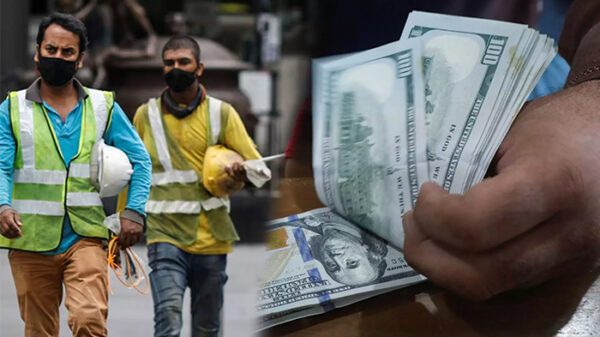
Muktadir said the current instability could lead to rising fuel prices, increased import costs, higher shipping and insurance expenses, possible decline in exports to Middle Eastern markets, price hikes of commodities, and potential challenges in remittance inflows.
“To tackle the situation, the government has undertaken a series of measures under the directive of the Prime Minister,” he added.
These measures include diversifying export markets by expanding trade with India, Nepal, Bhutan, East Asia, and ASEAN countries, the minister said, adding that the government is also working to broaden the export basket beyond RMG to include pharmaceuticals, agro and agro-processed products, jute and jute goods, plastics, frozen foods, shrimp, ICT products, and light engineering goods.
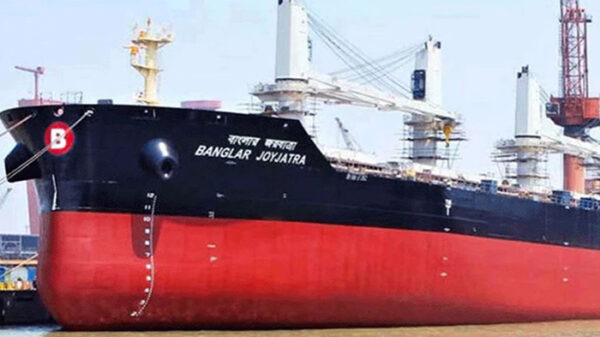
To boost sector-based exports, he said no-objection facilities have been provided for importing raw materials on a Free of Cost (FOC) basis in shipbuilding and footwear industries. Besides, Rules of Origin (RoO) certificates are being issued online to facilitate exporters in accessing preferential market benefits.
Muktadir said Bangladesh is actively engaging in bilateral and regional trade negotiations.
He also focused on ongoing negotiations on several major trade agreements, including Bangladesh-Korea Comprehensive Economic Partnership Agreement (CEPA), Bangladesh-Singapore Free Trade Agreement (FTA) and Bangladesh-UAE CEPA.
The minister said Bangladesh has signed an Economic Partnership Agreement (EPA) with Japan, which, once ratified, will become the country’s first free trade agreement with any nation.
He added that negotiations are ongoing with several other countries to enhance trade and investment ties.






Address: 33 Kawran Bazar, Tejgaon, Dhaka
Phone: +8809696382895
Email: info@theasiamirror.com theasiamirror@gmail.com